Lucknow
Nawabi architecture, Awadhi kebabs and chikankari

Lucknow grew rich in the 18th and 19th centuries as the capital of the nawabs of Awadh, who ruled a large kingdom between Delhi and Bengal. They spent their wealth on mosques, imambaras, gardens and gateways, and on a court culture of poetry, music, dance and food that still shapes the city. Tehzeeb, the city's famous courtesy, is a word you will hear often.
The old city around Chowk and the imambaras is crowded and lively. Here are the Bara Imambara, built in 1784, the Rumi Darwaza gateway and the smaller, ornate Chota Imambara. The kitchens of Chowk and Aminabad serve galouti kebabs, nihari and biryani, much of it cooked by the slow dum method developed in the nawabs' kitchens. Chikankari, white-on-white hand embroidery, is stitched in homes across the city.
South-east lies the Residency, the ruined British compound besieged for months in 1857, and beyond the Gomti river the newer city of Gomti Nagar, where the main hotels stand. We base guests at Taj Mahal Lucknow, plan the old city around meals rather than monuments and add a chikankari workshop for those who want to see the stitching. Lucknow also breaks the long journey from Agra to Varanasi.
Highlights
What Lucknow does best
Built in 1784 by Nawab Asaf-ud-Daula, partly as a famine relief project, its central hall is one of the largest vaulted rooms of its age built without beams. Above it, the Bhool Bhulaiya is a maze of narrow passages with views over the old city.
The galouti kebab, minced so fine it melts on the tongue, is Lucknow's signature. We eat it where it has been made for generations, followed by nihari with kulcha, dum biryani and, on winter mornings, makhan malai, a whipped milk froth sold before sunrise warms it.
Lucknow's white-on-white embroidery is stitched by hand, often by women working at home. A workshop visit shows block printing of the design, the dozens of stitches used and the washing that removes the ink.
The shell-scarred ruins of the British Resident's compound, besieged from July to November 1857, are kept as they were left, among lawns and old trees. A small museum explains the siege from several sides.
The Rumi Darwaza, a 1784 gateway about 18 m high, leads to the Chota Imambara of 1838, with its gilded dome, chandeliers and calligraphy. Both are lit in the evening, when the old city is at its liveliest.
The newer city across the Gomti has wide roads, parks and the best hotels. After a day in the old city, the calm of the riverside and a long Awadhi dinner at the hotel is a welcome contrast.
Experiences
Four hours to plan around


Getting there
How to reach Lucknow
Chaudhary Charan Singh International Airport (LKO) has direct flights from Delhi, Mumbai, Bengaluru, Kolkata and other cities, and some Gulf flights. It is about 15 km, or 30 to 45 minutes, from Gomti Nagar.
Lucknow Charbagh station has fast trains to Delhi, including the Shatabdi and Tejas Express, in about 6.5 hours. Trains also run to Varanasi in about 5 to 6 hours, with fog delays possible in winter.
The Agra–Lucknow Expressway makes Agra to Lucknow about 335 km and 5 hours. Varanasi is about 300 km and 5.5 to 6 hours. Dudhwa National Park is about 235 km and 5 hours north.
Where to stay
Rooms we book
Stay in Gomti Nagar or near Hazratganj, which keeps you close to the old city by car without its noise. Taj Mahal Lucknow, in Gomti Nagar near the river, is our first choice, with spacious rooms and a strong Awadhi kitchen. Hyatt Regency Lucknow, also in Gomti Nagar, is a reliable, modern alternative. For a smaller, period setting, a few heritage hotels operate in older bungalows near Hazratganj; we suggest them case by case.

Lucknow's leading luxury hotel, in Gomti Nagar near the river, with spacious rooms, a pool and a kitchen known for Awadhi cooking. It is a calm …
Shape your own journey Tell us your dates and what you hope to feel. We draw the route around you. Begin Not sure where to start? We match the land to your month, your pace and the people travelling with you. Begin Talk to a planner A first route and an indicative price within one working day. No payment to start. BeginFrom our planners
Five things to know
- Eat in the old city at lunch or early evening, when kitchens are freshest, and leave hotel dinners for slower Awadhi meals.
- Makhan malai is sold only on winter mornings, roughly November to February, and sells out early.
- Dress modestly at the imambaras and remove shoes in the prayer areas; women may be asked to cover their heads.
- The imambaras may close or restrict access during Muharram; check current status before you travel.
- Buy chikankari from workshops or established shops in Chowk and Hazratganj, and check the stitching by hand.
Questions travellers ask
Questions about Lucknow
How many days do I need in Lucknow?
Two nights covers the essentials: the Bara Imambara, Chota Imambara and Rumi Darwaza, the Residency, an old-city food walk and a chikankari workshop. Three nights allows a slower pace, a second food evening and time for shopping. One night works as a stop between Agra and Varanasi, with an evening food walk.
Is Lucknow worth visiting for tourists?
Yes, especially for travellers interested in food, architecture and crafts. Lucknow is far less touristed than Agra or Varanasi, which makes its old city feel more local. It also sits conveniently between the two, about 5 hours from Agra by expressway, so it adds depth to a Taj and Varanasi trip without a long detour.
What is Lucknow famous for?
Lucknow is known for Awadhi cuisine, especially kebabs and biryani, for the nawabi imambaras and gateways, for chikankari embroidery and for its courtly manners, called tehzeeb. It is also linked with Urdu poetry, the Lucknow gharana of kathak dance and the 1857 siege of the Residency.
Which is the best luxury hotel in Lucknow?
We use Taj Mahal Lucknow in Gomti Nagar as our first choice, for its spacious rooms, riverside location and Awadhi kitchen. Hyatt Regency Lucknow, also in Gomti Nagar, is a reliable modern alternative. Both are about 20 to 30 minutes from the old city by car, depending on traffic.
When is the best time to visit Lucknow?
October to March. December and January are cold, with fog in the mornings, but this is when winter foods like makhan malai and nihari are at their best. From April the heat builds quickly, and July to September bring monsoon rain. February is a good compromise of clear skies and winter food.
How do I get from Agra to Lucknow?
By private car on the Agra–Lucknow Expressway, about 335 km and 5 hours, with clean rest areas on the way. Trains take around 6 hours. There are no practical direct flights. We usually leave Agra after a sunrise Taj visit and breakfast, arriving in Lucknow by mid-afternoon.
Is Lucknow good for vegetarians?
Yes, though it is best known for meat dishes. Vegetarian highlights include basket chaat, khasta kachori, puri with potato curry, kulfi, makhan malai and a range of sweets. Hotel restaurants, including Taj Mahal Lucknow, serve fine vegetarian Awadhi dishes, and we can plan an all-vegetarian food walk.
Can I see the Bara Imambara during Muharram?
During Muharram, especially the first ten days, the imambaras are used for mourning ceremonies and access for visitors may be limited or closed. It is a powerful time to witness the city's Shia traditions with a respectful guide, but sightseeing plans should be flexible. Check current status before you travel.
Is Lucknow on the way from Agra to Varanasi?
Yes. Lucknow sits roughly midway, about 335 km from Agra by expressway and about 300 km from Varanasi. Breaking the journey here for one or two nights avoids a long single-day drive or an indirect flight via Delhi, and adds the city's food and architecture to the trip.
Journeys
Routes that stop in Lucknow

Nearby
Pair it with
The Taj Mahal, Agra Fort and the Mughal river bank

Dawn boats, evening aarti and the oldest lanes on the Ganges
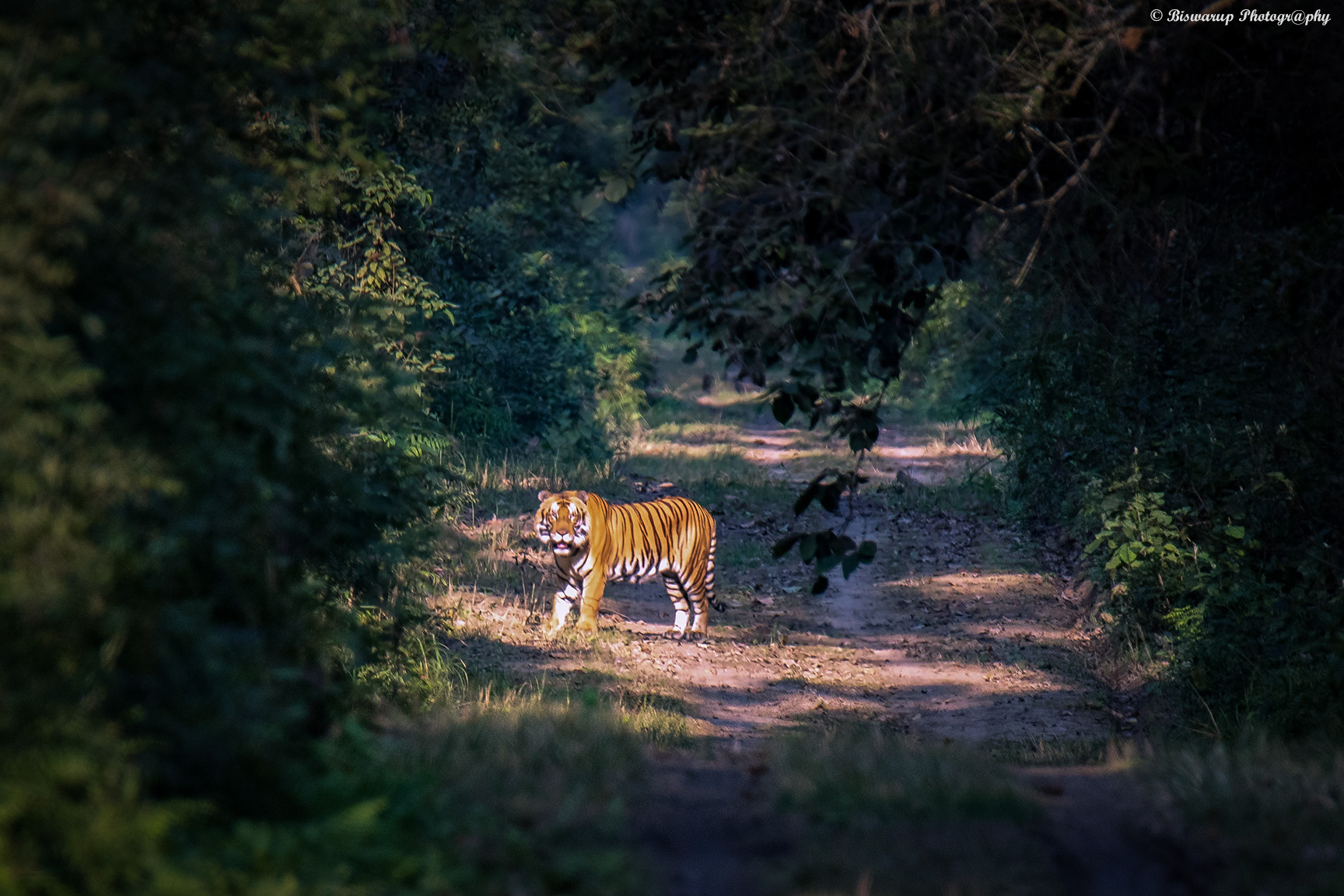
Tigers, rhinos and swamp deer on the Nepal border

The Sangam, the Magh Mela and the home of the Kumbh
Shape your own journey Tell us your dates and what you hope to feel. We draw the route around you. Begin Not sure where to start? We match the land to your month, your pace and the people travelling with you. Begin Talk to a planner A first route and an indicative price within one working day. No payment to start. Begin