Lachung and Yumthang, North Sikkim
A high Sikkim valley of rhododendrons near the Tibetan frontier

North of Gangtok, the Teesta river cuts a deep gorge into the Himalaya, and at Chungthang it splits into two valleys: the Lachen to the north-west and the Lachung to the north-east. The Lachung valley climbs past waterfalls and fir forest to the village of Lachung, a settlement of wooden houses with apple orchards and a monastery, set beneath steep mountain walls at about 2,700 m.
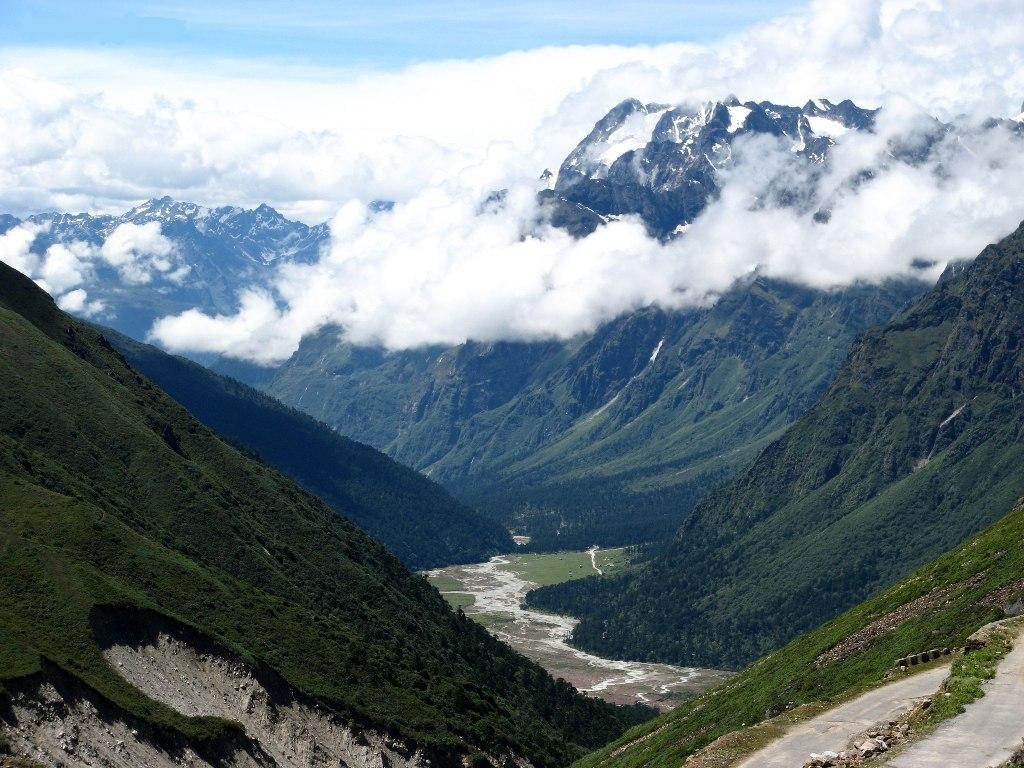
Lachung's people are Lachungpa, of Bhutia heritage, and the village is still governed in part by the Dzumsa, a traditional council that manages local affairs. Above the village, about 24 km up the valley, lies Yumthang, a broad alpine valley at about 3,560 m within the Shingba Rhododendron Sanctuary. In April and May the slopes flower in reds, pinks and whites; in October and November, the valley turns gold and the peaks are clear.
North Sikkim has been badly affected by natural disasters. In October 2023 a glacial lake outburst in the Teesta basin destroyed the dam at Chungthang and sections of road, and landslides in later monsoons closed the region for long periods. Access has reopened in phases, under tight controls. We plan North Sikkim only after confirming road status, and always with a spare day.
Highlights
What Lachung and Yumthang, North Sikkim does best
In April and May, Yumthang's slopes and the Shingba sanctuary bloom with many species of rhododendron, alongside primulas and other alpine flowers. The valley floor is open meadow along the Lachung river, with snow peaks above. It is one of the finest flower displays in the Himalaya.
Beyond Yumthang, the road climbs to Yumesamdong, often called Zero Point, at about 4,700 m, where tarmac ends in snowfields. It is cold, high and dramatic, and access depends on permits, weather and road conditions. Many travellers stop at Yumthang instead.
Lachung's wooden houses, orchards and prayer flags sit on terraces above the river. Lachung Monastery, a Nyingma gompa above the village, holds masked dances at certain festivals, and the village's Dzumsa council still regulates local life.
The drive north from Gangtok passes many waterfalls tumbling into the Teesta gorge, the monastery at Phodong, and viewpoints of Kanchenjunga near Singhik. It is a long day, but a remarkable one.
Near Yumthang, natural hot springs rise beside the river, and a simple bathing shelter lets visitors soak in warm water surrounded by alpine scenery. Bring a towel and change of clothes.
Experiences
Four hours to plan around


Getting there
How to reach Lachung and Yumthang, North Sikkim
Fly to Bagdogra (IXB) and drive to Gangtok first, about 4.5 hours, spending at least one night there. Lachung is a further 5 to 6 hours from Gangtok. Check current status before you travel.
New Jalpaiguri (NJP) near Siliguri is the nearest major station. From there drive to Gangtok and continue north the next day.
From Gangtok, the North Sikkim Highway runs via Kabi, Phodong, Mangan and Chungthang to Lachung, about 120 km and 5 to 6 hours. Since the October 2023 floods and later landslides, sections have been closed or restricted for long periods, and vehicle and timing rules apply. Travel is only with registered operators and local vehicles. Check current status before you travel.
Where to stay
Rooms we book
Lachung has no luxury hotels. Accommodation is in small hotels and lodges with heated rooms and simple food, many built of timber with views up the valley, and in a few homestays. Standards vary widely, so we book only properties we know and confirm heating and hot water. The setting makes up for the simplicity. Many guests consider two nights here the highlight of a Sikkim journey.
From our planners
Five things to know
- North Sikkim requires permits for Indians and foreigners through registered operators; foreigners usually need to be at least two travellers.
- Road access has been disrupted since the 2023 Teesta floods; check current status before you travel and keep a spare day.
- Spend a night in Lachung before going to Zero Point; the jump from 2,700 m to about 4,700 m is large.
- Carry cash; ATMs and card payments are unreliable in North Sikkim.
- Sikkim's plastic rules are strict in Lachung; carry a refillable bottle.
Questions travellers ask
Questions about Lachung and Yumthang, North Sikkim
Is North Sikkim open to tourists?
Access has been disrupted repeatedly since the October 2023 Teesta flood and later monsoon landslides, with closures and partial reopenings. When open, travel is only with permits through registered operators. Conditions change quickly, so check current status before you travel and keep a spare day in your plan.
Do I need a permit for Lachung?
Yes. Both Indian and foreign visitors need a permit for North Sikkim, arranged through a registered tour operator in Gangtok with ID and photographs. Foreign nationals usually need to be at least two travellers. Check current status before you travel.
What is the best time to visit Lachung and Yumthang?
April and May for rhododendrons, and October and November for clear skies and stable roads. December to March is very cold, with snow that can close roads. June to September brings heavy rain and landslides, and the region is often closed.
How many nights should I stay in Lachung?
Two nights. The first night follows the long drive from Gangtok and helps with acclimatisation; the next day is for Yumthang and, conditions permitting, Zero Point. A second night avoids rushing back the same day. Keep a spare day in your plan for road delays.
Are there good hotels in Lachung?
Lachung has small hotels and lodges with heated rooms and simple food, but no luxury hotels. Standards vary, so we book properties we know and confirm heating and hot water. The setting and views make up for the simplicity.
Can foreigners visit North Sikkim?
Yes, with a Protected Area Permit for North Sikkim, arranged through a registered operator for groups of at least two. Foreigners can usually visit Lachung and Yumthang; some areas further north have additional restrictions. Check current status before you travel.
Will I get altitude sickness in North Sikkim?
Lachung, at about 2,700 m, rarely causes problems, but Yumthang at about 3,560 m and Zero Point at about 4,700 m can. Spend a night in Lachung first, walk slowly, drink water and avoid alcohol. Descend if you feel headaches, nausea or breathlessness.
What is the difference between Lachung and Lachen?
They are two valleys above Chungthang. Lachung leads to Yumthang and Zero Point; Lachen leads to Gurudongmar Lake at about 5,180 m. Lachung is gentler and more accessible, while Lachen involves higher altitude and stricter permit rules for foreigners.
Is Lachung suitable for families?
Yes, for families comfortable with long drives and simple hotels. Children enjoy the snow and waterfalls. Avoid Zero Point with young children because of the altitude, and keep Yumthang visits short. Pack warm clothes, snacks and motion-sickness remedies for the winding roads.
Journeys
Routes that stop in Lachung and Yumthang, North Sikkim

Nearby
Pair it with
Sikkim's ridge-top capital, facing the Kanchenjunga range
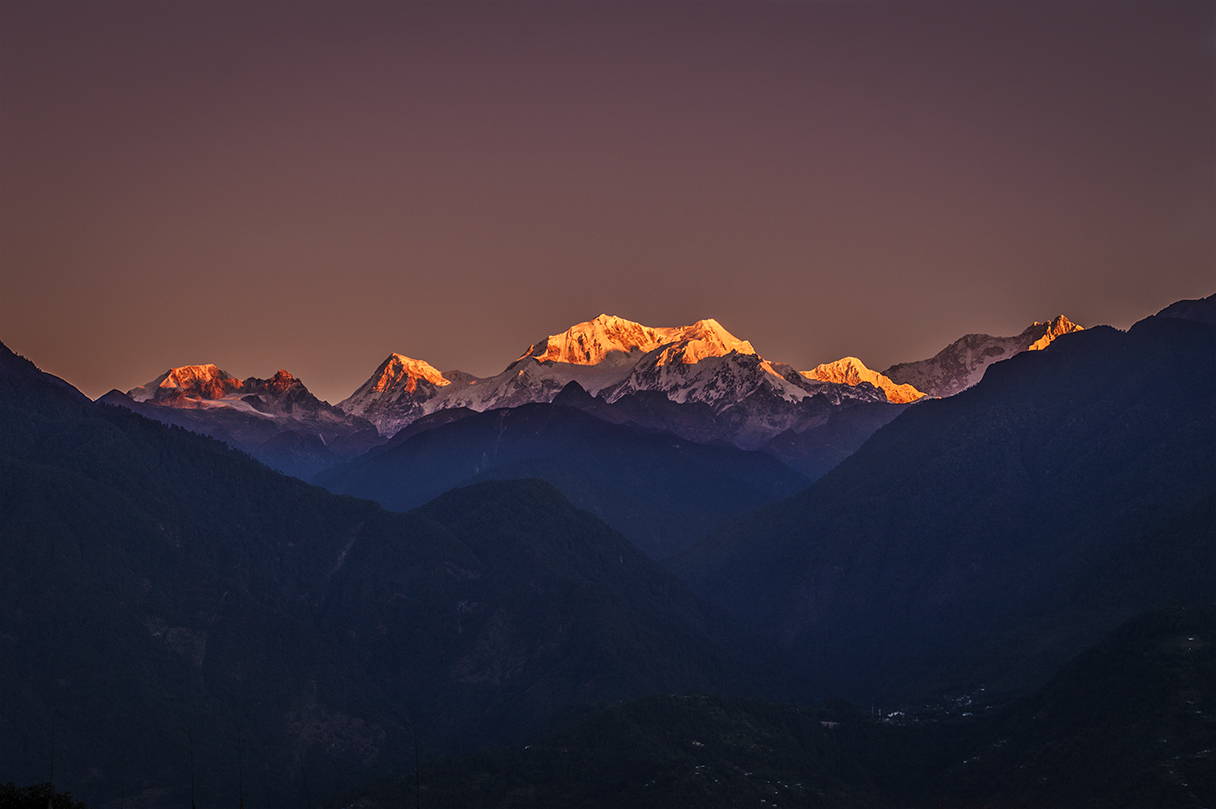
Monastery ridge with the closest view of Kanchenjunga
Shape your own journey Tell us your dates and what you hope to feel. We draw the route around you. Begin Not sure where to start? We match the land to your month, your pace and the people travelling with you. Begin Talk to a planner A first route and an indicative price within one working day. No payment to start. Begin