
Key takeaways
- Plan the day around one or two meals out, with a food guide in each city.
- Lucknow for kebabs and winter makhan malai; Kerala for sadya and karimeen; Goa for vindaloo and feni.
- Rajasthan's desert kitchen and Kathmandu's Newari feasts reward a guide who knows the old quarters.
- Time your trip to the season: Onam in Kerala, Ramadan in Lucknow, cashew feni in Goa in spring.
How we plan a food journey
The best meals on our journeys are rarely in hotel restaurants. They are at a family table in Kochi, a kebab counter in Lucknow's old city, a feni distillery in the Goan hills or a Newari courtyard in Patan. We plan around them: a guide who eats where local people eat, a car that waits outside a crowded lane, and lunches booked with families who cook for guests. Hotels still matter, because a good kitchen at breakfast and dinner sets the tone, but the day is built around one or two meals out.
On food safety we keep it simple: eat what is cooked hot in front of you, drink sealed or filtered water, and go easy on raw salads and cut fruit in the first days. Your guide knows which stalls are busy and clean. If you have a sensitive stomach, tell us, and we will lean towards home and hotel kitchens.
- One or two meals out a day, the rest at the hotel
- A food guide in each city, not only a sightseeing guide
- Home lunches booked ahead with families who cook for guests
- Vegetarian, vegan and allergy needs written down for every kitchen
Lucknow: the Awadhi table
Lucknow was the court city of the Nawabs of Awadh, and its kitchens built a cuisine of slow cooking and fine textures. The dish to know is the galouti kebab, minced meat so soft that, by legend, it was made for a nawab who had lost his teeth. Eat it with a small paratha in Aminabad or Chowk. Nihari, a slow-cooked meat stew, is breakfast in the old city, and Lucknow's biryani is lighter and more fragrant than the southern kinds, cooked dum style under a sealed lid.
In winter, from about November to February, makhan malai is sold at dawn in the old lanes: milk whipped overnight into a saffron froth that vanishes on the tongue. Kulfi with falooda and basket chaat round off an evening. Our four-night Lucknow food journey, from ₹95,000 per person, adds a private Awadhi dinner with a family cook and a morning with chikankari makers.
If your route continues to Varanasi, the mornings there are for kachori sabzi and jalebi near the ghats, and the winter evenings for malaiyyo, the city's own saffron milk froth, followed by a sweet paan from a shop in the old lanes.

Kerala: banana leaves and the backwaters
Kerala cooks with coconut, curry leaves, black pepper and kudampuli, a smoked fruit that gives fish curry its sourness. The sadya is the great vegetarian feast, more than 20 dishes served in order on a banana leaf, with rice, sambar, avial, thorans, pickles and two or three kinds of payasam; it is at its fullest during Onam in August or September. On the backwaters, eat karimeen pollichathu, pearl spot fish cooked in a banana leaf with masala, and duck roast at a canal-side toddy shop.
Kochi adds its own layers: Syrian Christian beef fry, appam with stew, and Jewish and Portuguese traces in Mattancherry. In the north, Malabar's biryani and Mappila snacks are a different cuisine again. Our eight-night Kerala food and spice trail, from ₹2,45,000 per person, includes a hands-on sadya class and home lunches with Kochi families. Toddy shops are simple and loud, so we choose family-run ones with good kitchens, and non-drinkers eat there happily.


Tell us what you love to eat and any dietary needs, and we will plan the cooks, markets and tables around your route.
Goa: vinegar, coconut and feni
Goan food is two kitchens. The Catholic kitchen, shaped by some 450 years of Portuguese rule, uses palm vinegar, red chillies and pork: vindaloo, sorpotel, chouriço sausage and cafreal chicken. The Hindu Saraswat kitchen is mostly fish and vegetables, with coconut, kokum and tirphal, a spice related to Sichuan pepper. Both meet in the fish curry rice that most Goans eat every day, and in bebinca, a layered coconut and egg pudding baked one layer at a time.
Feni is Goa's spirit, distilled from cashew apples in spring, roughly March to May, and from coconut toddy through the year. A visit to a small distillery in the hills, with a tasting, is the best way to understand it. Poi, the bread sold by bicycle bakers each morning, belongs with everything. Our six-night Goan food and feni trail, from ₹1,85,000 per person, covers the markets of Panjim, Mapusa and Margao and a cooking session in a Salcete family home.

Rajasthan: desert food and royal kitchens
Rajasthan's cooking comes from a dry land: lentils, millet, dried beans and berries, ghee and buttermilk, with few fresh vegetables. Dal baati churma, baked wheat balls with lentils and a sweet crumble, is the classic. Ker sangri, desert berries and beans, and gatte ki sabzi, gram flour dumplings in a yoghurt curry, show how much the desert kitchen does with little. Laal maas, mutton in a fierce red chilli sauce, comes from the hunting traditions of the Rajput courts.
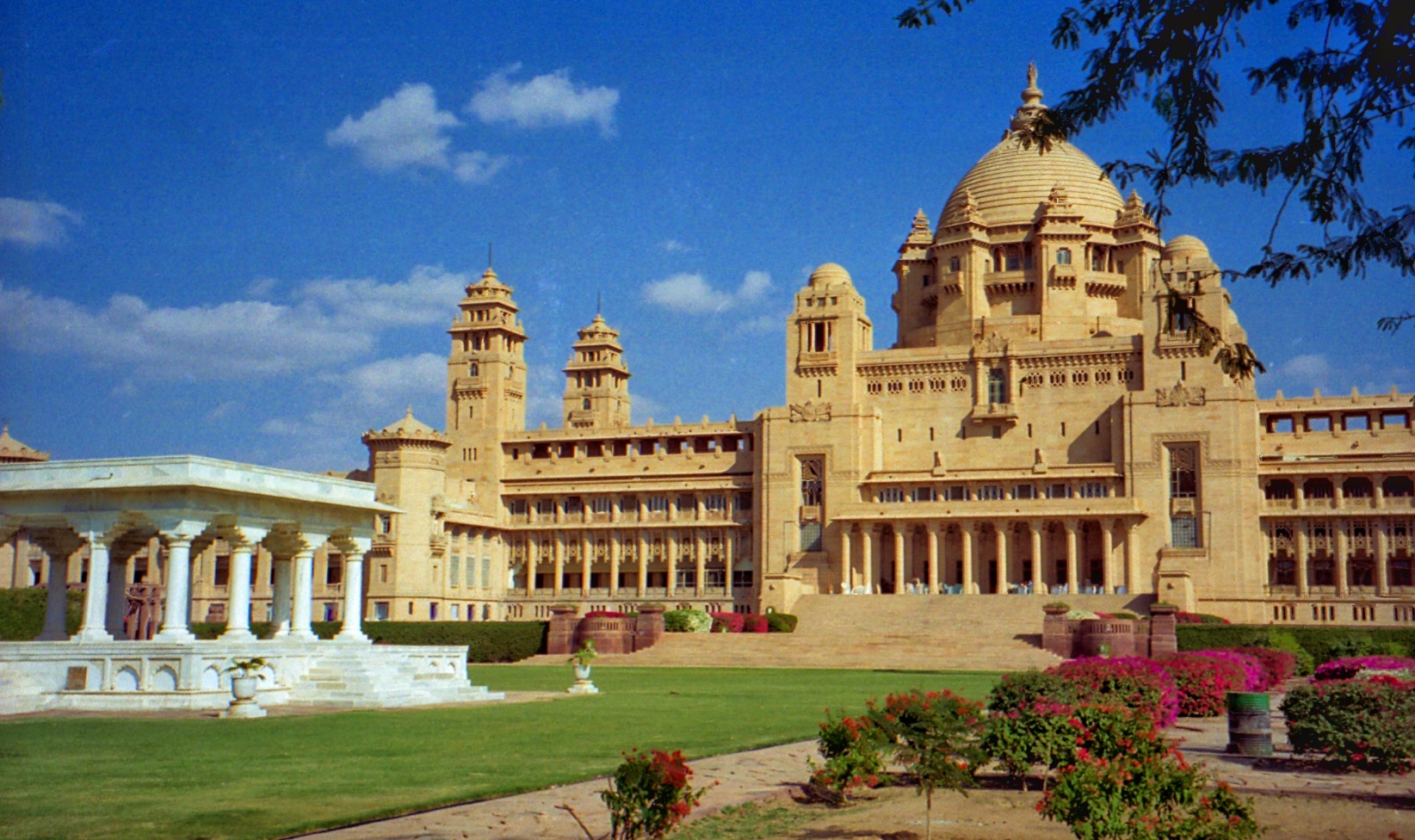
In Jodhpur, eat pyaaz kachori and mirchi vada from the stalls near the clock tower in the morning. In Jaipur, the old sweet shops of Johari Bazaar sell ghewar, a disc of fried batter soaked in syrup, at its best around Teej in the monsoon. Palace hotels such as Umaid Bhawan and Rambagh can arrange a royal-style thali dinner, and some old noble families host dinners in their own homes.

Newari Kathmandu: feasts in the courtyards
The Newars, the old people of the Kathmandu Valley, have one of the richest food cultures in the Himalaya. Samay baji is the ritual set: beaten rice, spiced grilled buffalo called choila, black soybeans, ginger, a boiled egg and pickles, eaten at festivals and family feasts. Bara, a lentil pancake, and chatamari, a thin rice-flour crêpe with toppings, are everyday snacks in Patan and Bhaktapur. Yomari, a steamed rice dumpling filled with molasses and sesame, is made for the Yomari Punhi full moon, around December.
Bhaktapur is known for juju dhau, the king of curds, set in clay pots and sold around the old squares. For a long, gentle introduction, Krishnarpan at Dwarika's Hotel serves Nepali tasting menus of many courses in a traditional setting. Our five-night Kathmandu Valley short break, from ₹2,20,000 per person, leaves time for both.
Newari meals are often eaten seated low, with dishes served on leaf plates and aila, a strong rice spirit, poured from a long-spouted jug. Many classic dishes use buffalo meat, so tell us if you avoid it; most Newari kitchens make chicken and vegetarian versions too.

The food calendar: when to go for what
Some dishes belong to a season, and we plan food journeys around them. Festival dates follow lunar calendars and move each year, so check current status before you travel.
Ramadan moves about 11 days earlier each year; in 2027 it falls in February and March, among the coolest and best months to be in Lucknow, when the old city stays up late for iftar and the stalls around the Chowk run until the early hours.
| Where | Dish or occasion | When |
|---|---|---|
| Lucknow | Makhan malai and nihari breakfasts | Nov – Feb |
| Lucknow | Iftar food in the old city | Ramadan, dates vary |
| Kerala | Onam sadya | Aug – Sep |
| Kerala | Karimeen and toddy shop lunches | Nov – Mar |
| Goa | Cashew feni distilling | Mar – May |
| Goa | Christmas sweets: bebinca and kulkuls | December |
| Rajasthan | Ghewar for Teej | Jul – Aug |
| Kathmandu | Yomari for Yomari Punhi | Around December |
| Kathmandu | Family feasts for Dashain and Tihar | Sep – Nov |
Journeys from this article
Start from a route


Questions travellers ask
Good to know
Which of your regions is best for food?
Each is strong in a different way. Lucknow is the richest for meat and slow-cooked Awadhi dishes, Kerala for seafood, coconut and vegetarian feasts, Goa for its Portuguese-influenced Catholic cooking, and Kathmandu for Newari food that few visitors ever try. Rajasthan's desert vegetarian cooking and royal meat dishes suit travellers who like heat. Many guests combine two on one journey.
Is street food safe on a private tour?
Mostly, with care. Eat what is cooked hot in front of you at busy stalls, drink sealed or filtered water, and avoid raw salads, cut fruit and ice in the first few days. Your guide will take you to places with high turnover and clean kitchens, and will tell you what to skip. If you have a sensitive stomach, we plan more home and hotel meals.
Can vegetarians eat well across your regions?
Very well. Rajasthan has a deep vegetarian tradition, from dal baati churma to ker sangri and gatte. Kerala's sadya is entirely vegetarian, and its vegetable curries are excellent. Goa's Saraswat Hindu kitchen is largely vegetarian and fish. Lucknow has fine vegetarian chaat and sweets, and Newari cooking has many lentil and bean dishes. Vegan is harder, but our kitchens are briefed in advance.
What is a Kerala sadya?
A sadya is a vegetarian feast served on a banana leaf, with more than 20 dishes laid out in a set order: rice, sambar, avial, thorans, olan, pickles, papadam, banana chips and two or three kinds of payasam. It is eaten with the right hand. The fullest sadyas are cooked for Onam, in August or September, and for weddings, but we can arrange one at other times.
What should I eat in Kathmandu?
Look for Newari food, the cooking of the valley's oldest community. Try samay baji, a festival set of beaten rice, choila, soybeans and pickles; bara and chatamari as snacks; yomari dumplings around December; and juju dhau, the rich curd of Bhaktapur. Momos are everywhere and good. For a gentle start, the Nepali tasting menu at Krishnarpan in Dwarika's Hotel covers many dishes.


