Swamp deer at Kishanpur and Jhadi Tal

Kishanpur Wildlife Sanctuary lies south of Dudhwa National Park on the Sharda river, and forms part of the Dudhwa Tiger Reserve. Its open grassland and lakes, especially Jhadi Tal, hold large herds of hard-ground swamp deer, or barasingha, named for the many tines on the stags' antlers.
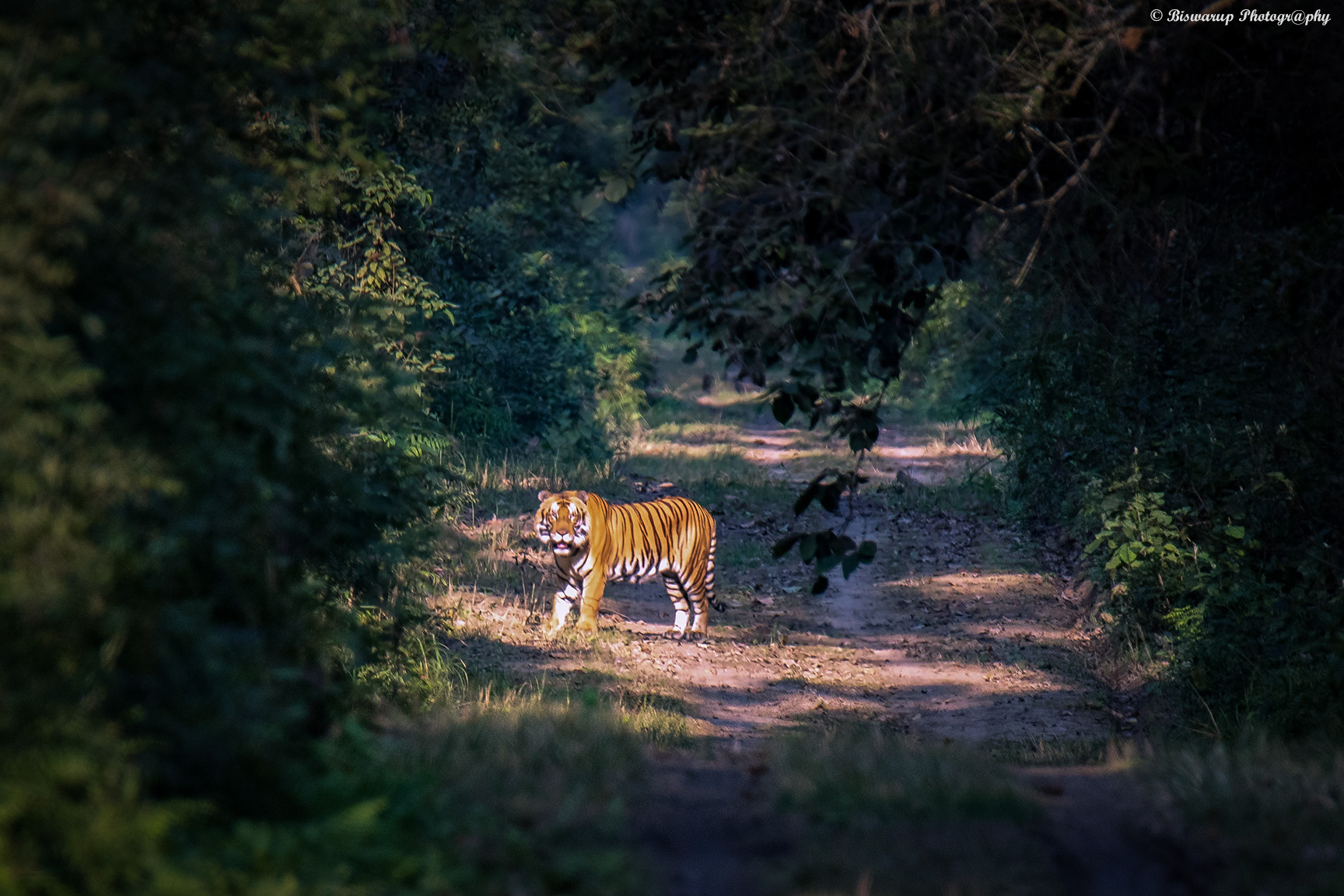
In winter and spring, hundreds of deer graze on the grassland around the lake in the early morning. Stags spar, and calls carry across the water. Tigers hunt here too, and Kishanpur has produced some fine sightings in recent years, along with leopards, otters and marsh crocodiles. Bar-headed geese, ducks and storks use the lake in winter.
Kishanpur is a separate drive from Dudhwa, about two hours each way from the main tourist complex, so we plan it as a long morning with a packed breakfast. Permits are issued separately; check current status before you travel.
Questions travellers ask
Good to know
What are swamp deer?
Swamp deer, or barasingha, are large deer of wet grasslands in India and Nepal. Their name means twelve-tined, after the stags' branched antlers. Dudhwa and Kishanpur hold populations of the northern subspecies, which lives in swampy grassland. They gather in large herds in winter and are among the park's highlights.
How far is Kishanpur from Dudhwa?
Kishanpur Wildlife Sanctuary lies south of Dudhwa National Park, about two hours by road from the main Dudhwa tourist complex, depending on the route. It is part of the Dudhwa Tiger Reserve but needs a separate permit. We plan it as a long morning outing.
When is the best time to see swamp deer at Dudhwa?
December to April, in the early morning, when herds gather on open grassland around lakes such as Jhadi Tal at Kishanpur and Sathiana in Dudhwa. The rut, when stags spar and call, falls in winter. By May the herds may disperse as the heat builds.
Also in Dudhwa National Park
More hours to plan around