
Key takeaways
- Stay three nights per stop, keep drives under 4 hours and keep afternoons free
- Rajasthan, Kerala, Goa and Varanasi are low and suit a slow pace well
- Ladakh, Tawang and North Sikkim need care with altitude and a doctor's advice
- Ask us about steps at Varanasi's ghats, Jaisalmer's fort and Meghalaya's root bridges
What slow travel means in practice
Slow travel is not a lesser version of a journey. It is the same places seen at the hours when they are best, with time to sit in a courtyard rather than hurry through it. For older travellers, it also means fewer packing days, fewer early alarms and less time in a car. Most of our routes can be slowed down, and some are built that way from the start, with an unhurried pace and stays of three or four nights.
We pace these journeys by a few rules. We keep most drives under 4 hours and fly the longer legs. We plan one main visit each morning, when it is coolest and quietest, and keep the afternoon for rest, the pool or a short outing. We choose hotels where the room is close to the lift or on the ground floor, and we tell you honestly where a famous sight involves stairs, uneven paving or a long walk.
Altitude: where it matters
Most of our lands are low. Rajasthan, Uttar Pradesh, Bihar, Kerala's coast and Goa are all under 500 m, and Munnar's tea hills reach about 1,600 m. Nepal's Kathmandu Valley is about 1,400 m and Pokhara about 800 m. Ladakh is different: Leh is at about 3,500 m, and the passes to Nubra and Pangong go above 5,000 m. Tawang in Arunachal and the valleys of North Sikkim are also high. Anyone with heart, lung or blood-pressure conditions should see their doctor before booking these.
If you do go high, the rule is time. In Leh, we plan two full days of rest on arrival, keep the first week below about 3,700 m, and avoid nights above 4,000 m. A flight to Leh is quicker but gives the body no time to adjust; the road from Manali or Srinagar is slower but long and tiring. The table sets out the main heights.
| Place | Altitude | What we suggest |
|---|---|---|
| Kathmandu | ≈ 1,400 m | Comfortable for most travellers |
| Munnar, Kerala | ≈ 1,600 m | Comfortable; winding roads to reach it |
| Gangtok, Sikkim | ≈ 1,650 m | Comfortable; long hill drives |
| Tawang, Arunachal | ≈ 3,000 m, over Sela Pass at ≈ 4,170 m | Ask your doctor; a long road journey |
| Leh, Ladakh | ≈ 3,500 m | Two rest days on arrival; ask your doctor |
| Pangong Tso | ≈ 4,250 m | Day visit rather than an overnight |
| Khardung La | ≈ 5,360 m | Cross without stopping long |

Steps and walking at the main sights
Some of the best-known sights involve more climbing than people expect, and a few have easy alternatives. These are the ones we discuss with older travellers before we plan a route:
None of these needs to rule a place out. A good guide knows the gentler way through a fort, where to sit while others climb, and which hour is quietest. Where a site is too hard, we suggest another with the same feeling: a boat on Lake Pichola rather than the many stairs of Udaipur's City Palace, or the broad, mostly level palace courtyards of Fatehpur Sikri instead of a second hill fort.
- Varanasi's ghats have steep stone steps with no rails; a boat on the river avoids most of them
- Amber Fort in Jaipur is reached by jeep to the upper gate, then courtyards and some stairs
- Mehrangarh Fort in Jodhpur has a lift from the lower level to the palace rooms
- Jaisalmer's fort is a living town on a hill, with steep lanes best taken slowly
- At the Taj Mahal, electric vehicles run from the parking area to the gate
- Meghalaya's double-decker root bridge at Nongriat is about 3,500 steps each way; the bridge near Mawlynnong is a short walk
- Vulture Peak at Rajgir is a 20 to 30 minute climb on a stone path
- Kerala houseboats are boarded by a plank, with a hand from the crew


Tell us how you like to travel, how far you are happy to walk and any health limits, and we will send a gentle route with hotels and an indicative price.
How we pace a day
A typical day on a slow route starts with breakfast at about 8, not a 6 am departure, unless the reason is worth it: sunrise at the Taj Mahal, dawn on the Ganges or a tiger safari. The main visit takes two to three hours with a guide who walks at your speed and knows where the benches and the shade are. Lunch is at the hotel or a restaurant we know, and the afternoon is free. An evening event, such as the aarti in Varanasi or a puppet show in Udaipur, is chosen for comfort, often from a boat or a reserved seat.
We also leave room for days with nothing planned. On a 10-night route, we usually build in two. They are often the days people remember: a long breakfast by Lake Pichola, a walk on the beach at Marari, an afternoon reading on a tea-estate verandah in Munnar.
Routes that suit an unhurried pace
Several of our journeys are built for this pace already, and any of them can be slowed further by adding nights. Prices are indicative, per person, twin sharing. These are the routes we most often suggest to older travellers:
- Palaces of Rajasthan, 11 nights from ₹6,50,000, with four nights in Udaipur at the end
- The slow coast from Kovalam to Marari in Kerala, 10 nights from ₹2,60,000
- Portuguese Goa: churches, mansions and coast, 7 nights from ₹2,20,000
- Varanasi on the Ganges, 5 nights from ₹1,75,000, mostly by boat
- Kathmandu Valley and Dhulikhel short break, 5 nights from ₹2,20,000
- Monasteries of the Indus in Ladakh, 7 nights from ₹2,40,000, staying below about 3,700 m

Hotels, rooms and getting around
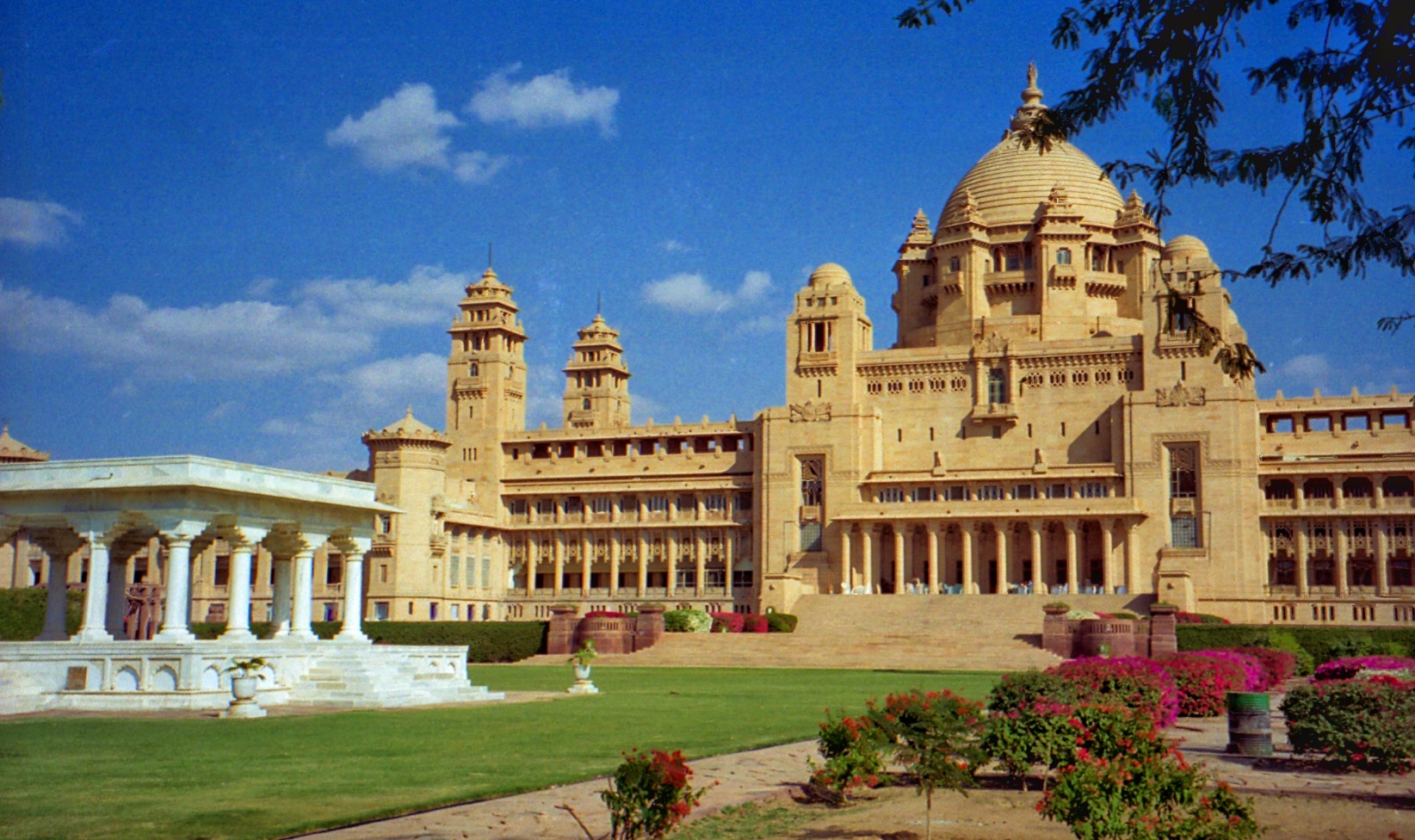
Modern resorts are usually easier than heritage hotels. Palaces and havelis often have steep stairs, high thresholds, uneven floors and few lifts, so we ask for rooms on the ground floor or near a lift, and we tell you where that is not possible. Umaid Bhawan Palace in Jodhpur has lifts and wide corridors; the Taj Lake Palace in Udaipur is reached by boat from a jetty with steps. Wheelchair access at Indian monuments is improving but still limited, so we check each site and arrange a wheelchair where one is available.
Our cars are chosen for comfort: a large, high car with room for luggage and an easy step in, and a driver who will stop whenever you ask. For long distances we prefer a short flight, and we book assistance at airports if you would like it. Check current status before you travel for airport assistance and monument access, as both change.
Health, insurance and medicines
See your doctor six to eight weeks before you travel, take enough of every medicine for the whole trip plus a week, and keep them in your hand luggage with a copy of the prescriptions. Travel insurance matters more with age, and some policies set upper age limits or exclude conditions, so read the cover carefully. Large cities such as Jaipur, Kochi, Kathmandu, Varanasi and Goa have good private hospitals; Ladakh, Sikkim and rural Bihar have fewer. Heat is the other risk: from April to June, the plains often pass 40 °C, so we steer older travellers to October to March.
Food and water need the same care as for any traveller: bottled or filtered water, freshly cooked food and a lighter diet on travel days. Hotels will cook plainly on request, and our guides know restaurants that do the same. On longer journeys, we suggest a rest day every four or five days, light clothing for the heat, and a warm layer for air-conditioned cars, temples and winter evenings, which in Rajasthan and Uttar Pradesh can fall to about 8 °C in January.
Journeys from this article
Start from a route


Questions travellers ask
Good to know
Is India a good destination for senior travellers?
Yes, with the right pace and season. Travel between October and March, stay three nights per stop, and choose low-lying lands such as Rajasthan, Kerala, Goa and Uttar Pradesh. A private car, a guide who walks at your speed and hotels with lifts or ground-floor rooms make most sights comfortable. Plan more carefully for Ladakh and the high North East.
Can older travellers visit Ladakh?
Many do, but altitude is the main concern. Leh is at about 3,500 m, so we plan two rest days on arrival and keep the first week below about 3,700 m. People with heart, lung or blood-pressure conditions should see their doctor first. Our Monasteries of the Indus journey avoids the high passes and lakes altogether.
Are Indian monuments accessible for wheelchairs?
Partly. The Taj Mahal has electric vehicles from the parking area and level paths in the garden, and Mehrangarh Fort in Jodhpur has a lift. Many forts, ghats and temples have steep steps and uneven paving with no ramps. We check each site on your route and arrange a wheelchair where available. Check current status before you travel.
How many hours a day should seniors spend driving in India?
We aim for under 4 hours on most days, with a stop every 90 minutes, and no more than one longer day on a route. Hill roads average 30 to 40 km an hour, so distance can mislead. Where a drive is longer than about 5 hours, such as Jaipur to Udaipur, we usually suggest a flight.
What is the best month for older travellers in India?
November, December, February and early March are the most comfortable on the plains, with dry, mild days of about 22 to 30 °C. January is cooler, with fog in Uttar Pradesh and Bihar. From April to June the plains are very hot, so those months suit only the hills or Ladakh, where altitude brings its own care.


